
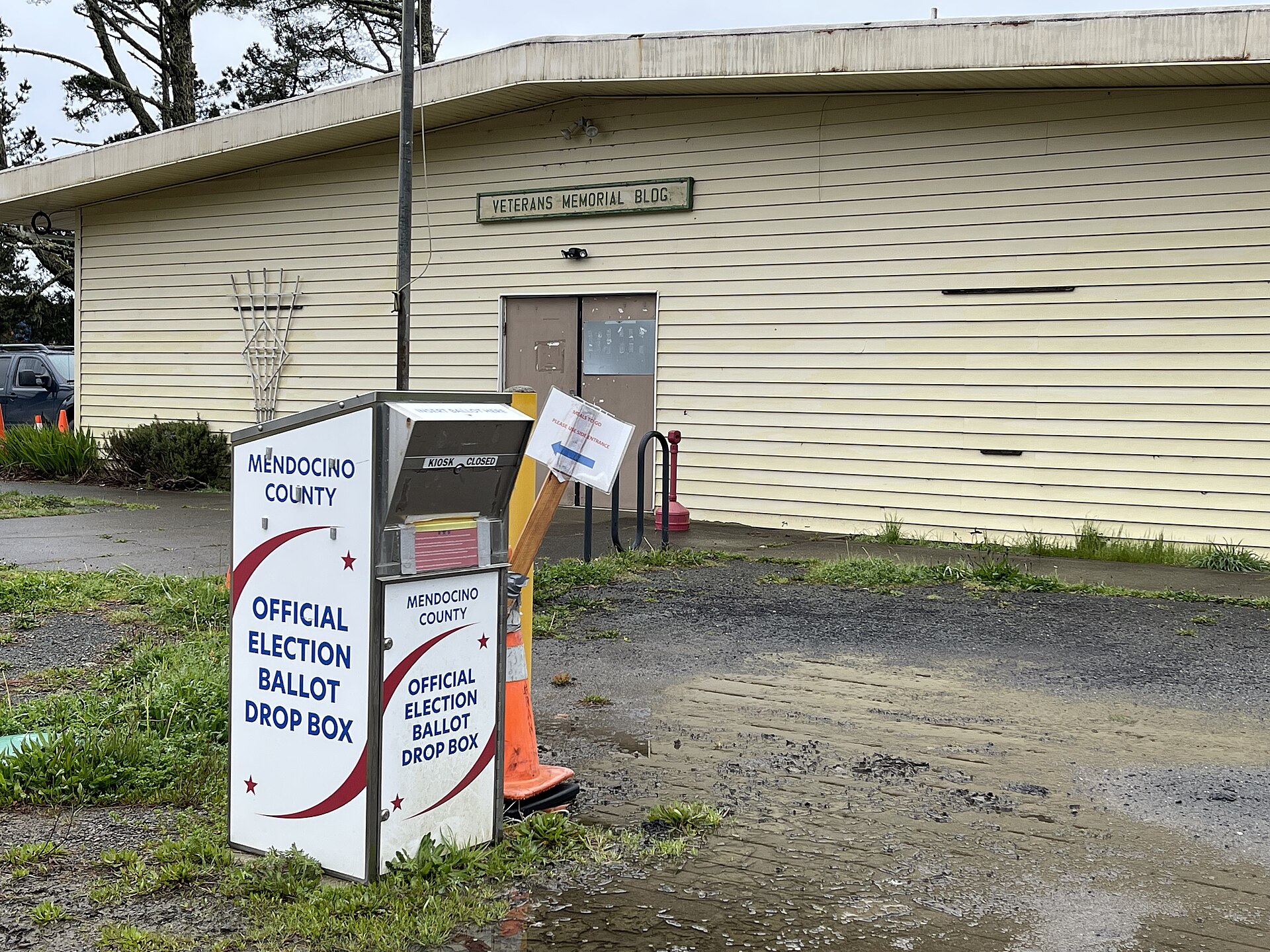
The early vote is changing shape. Requests for mail ballots are down compared with the last midterm in six of the eight states analyzed by Michael McDonald, the University of Florida professor who is the leading authority on early-voting data, the Washington Post reports. In Georgia, mail-ballot requests are down 40 percent — while in-person early voting is, in McDonald’s words, “through the roof.”
In Wisconsin, more than 55,000 people voted early in person on the first day, Tuesday — a 65 percent increase over four years ago — even as mail voting fell.
The shift is not even between the parties. In Nevada, 18 percent of Democrats who voted early in person this month had voted by mail in 2024, versus 10 percent of Republicans, the Post reports — Democrats are moving to in-person voting faster.
READ NEXT: A One-Time 5 Percent Tax On California’s Billionaires Is On The Ballot. The Governor Vows To Beat It
Florida shows how a law change can move the numbers by itself. Before this election, a Florida mail-ballot request stayed good through two federal general elections, so a request made in the 2024 presidential cycle carried into 2026. Now a request is good only through the calendar year, with added identification requirements to file one. McDonald has written that Florida’s mail decline is “a certainty” under the change: the number of 2026 mail requests is lower than the number of mail ballots returned in 2022 by more than 200,000, and he does not expect new requests to close the gap before Election Day.
The in-person surge is broad. Georgia reported a 40 percent increase in first-day in-person turnout compared with the 2022 midterms, and more than double its 2018 opening day. Early ballots cast in North Carolina and Maine are up 38 percent from the last midterm cycle, Iowa’s are up 61 percent, Ohio’s in-person early vote has more than doubled, and Virginia is seeing nearly twice the turnout of the previous midterms, according to election tracking data reported by NewsNation. Georgia’s mail returns, by contrast, are down 58 percent.
The legal backdrop: the Supreme Court in September blocked the Trump administration’s effort to restrict mail voting, leaving the existing state systems in place. Polling has also shown declining voter confidence in the Postal Service’s ability to deliver ballots on time — one reason analysts give for voters choosing to cast ballots in person instead.
By Friday, the University of Florida’s Election Lab counted more than 23 million ballots already cast nationwide, in person or by mail, with 11 days left before the election. Texas had recorded more than 2.8 million early votes, Florida nearly 2.2 million, Georgia almost 1.5 million and North Carolina more than 1.2 million, with Michigan and Ohio each past 900,000. Of the early ballots returned in states that register voters by party, registered Democrats accounted for 45 percent and Republicans for 30 percent. Analysts caution that early-vote patterns do not necessarily predict Election Day turnout.
The shift, in brief
- Mail-ballot requests down vs. the last midterm in 6 of 8 states analyzed (McDonald); Georgia down 40%
- Wisconsin in-person early voting, day one: 55,000+ voters, up 65% from four years ago
- Nevada: 18% of Democratic in-person early voters used mail in 2024, vs. 10% of Republicans
- The Post attributes the shift to the president’s attacks on mail voting; experts note mail voting is operating normally
The Post attributes the shift to President Trump’s relentless attacks on voting by mail. Election experts quoted elsewhere note that mail voting itself continues to operate normally, and that longer-term trends also play a role. The totals are a separate story: more than 20 million advance ballots had been cast as of Thursday — see the Daily’s early-voting report.

Comments
Loading comments…