
LONDON — Prices in Britain rose faster in October, with annual inflation reaching 3.6 per cent, its highest level in a year, and households now face energy bills forecast to jump by £443 a year from January. The Office for National Statistics said consumer prices rose 3.6 per cent in the year to October, up from 3.5 per cent in September. The figure matched the expectations of economists polled by Reuters and sat slightly below the Bank of England’s 3.7 per cent forecast. Fuel was the main driver: petrol rose by 5.2 pence a litre between September and October to an average of 174.7 pence a litre, the highest since August 2022, diesel hit a record high, and motor fuel prices overall were reported at 33.2 per cent higher than a year earlier. Behind the numbers sits the war between the United States and Iran and its pressure on energy prices, which the statisticians and the Bank both identify as the force pushing the cost of living back up. Inflation had been falling toward the Bank’s 2 per cent target. On Wednesday’s figures, that journey has gone into reverse.
The £443 Forecast
The bigger number for most households is still to come. The energy consultancy Cornwall Insight published its final forecast before the regulator, Ofgem, sets the next price cap, due to be announced next Wednesday, November 25. It projects the cap for January to March will rise by 26 per cent, taking a typical dual-fuel household bill to £2,166 a year — £443 above the current typical level of £1,723, and the highest since 2023. The cap limits the unit rates and standing charges suppliers can charge customers on standard variable tariffs across England, Scotland and Wales; it does not limit what a household that uses more energy actually pays. The current cap rose 4 per cent on October 1, and the January quarter covers the coldest months of the year, when households use the most heating and light. Cornwall Insight said wholesale energy prices have eased in recent weeks amid hopes of a resolution to the conflict in the Middle East, but the fall came too late to prevent the expected January increase. Its forecast does not include the government’s one-off £100 energy payment for households in council tax bands A to D in England, announced in the Budget.
Martin Lewis Objects To The Arithmetic
The £443 figure drew an immediate public correction from the country’s best-known money expert. Martin Lewis, the founder of Money Saving Expert, challenged the forecast’s presentation, warning that it is misleading to present the increase as an annual cost. The forecast, he said, is for the January price cap, which lasts three months, “so to extrapolate from that to give an annual rise doesn’t make sense. It is, as I’ve long said, predicted to rise a hideous 26% in Jan, but we are far less certain about the rate of the April, July and October Cap rates which could vary substantially.” The distinction matters in both directions: if the April cap falls back, nobody will pay £443 extra across the year; if it rises again, they could pay more. What is not in dispute is the January quarter itself — a rise of about a quarter, in the most expensive quarter of the year, is the forecast from the consultancy whose predictions Ofgem’s announcements usually track closely. The government’s defences, as set out around the Budget, are the £100 payment and a cut in VAT on electricity to zero until next July. Energy Secretary Miatta Fahnbulleh responded to the forecast on Wednesday; the political argument about whether those measures are enough will run until Ofgem publishes the real number on November 25.
Put the two Wednesday numbers together and the household arithmetic is plain. A typical family on a standard tariff is paying £1,723 a year for gas and electricity today, in a quarter when the heating is already on. On Cornwall Insight’s forecast the same usage costs £2,166 a year from January — and January’s cap covers the three coldest months, when consumption is highest, so the quarterly bills inside it will feel larger than the annualised figure suggests. Against that, the state’s help is specific and limited: a one-off £100 payment, and only for households in council tax bands A to D in England, and VAT on electricity held at zero until next July. Everything else in the cost of living is moving the same way at the same time — petrol at its dearest since August 2022, diesel at a record — which is why a 0.1-point rise in the inflation rate, 3.5 to 3.6 per cent, led the news bulletins all day.
The Bank’s Problem
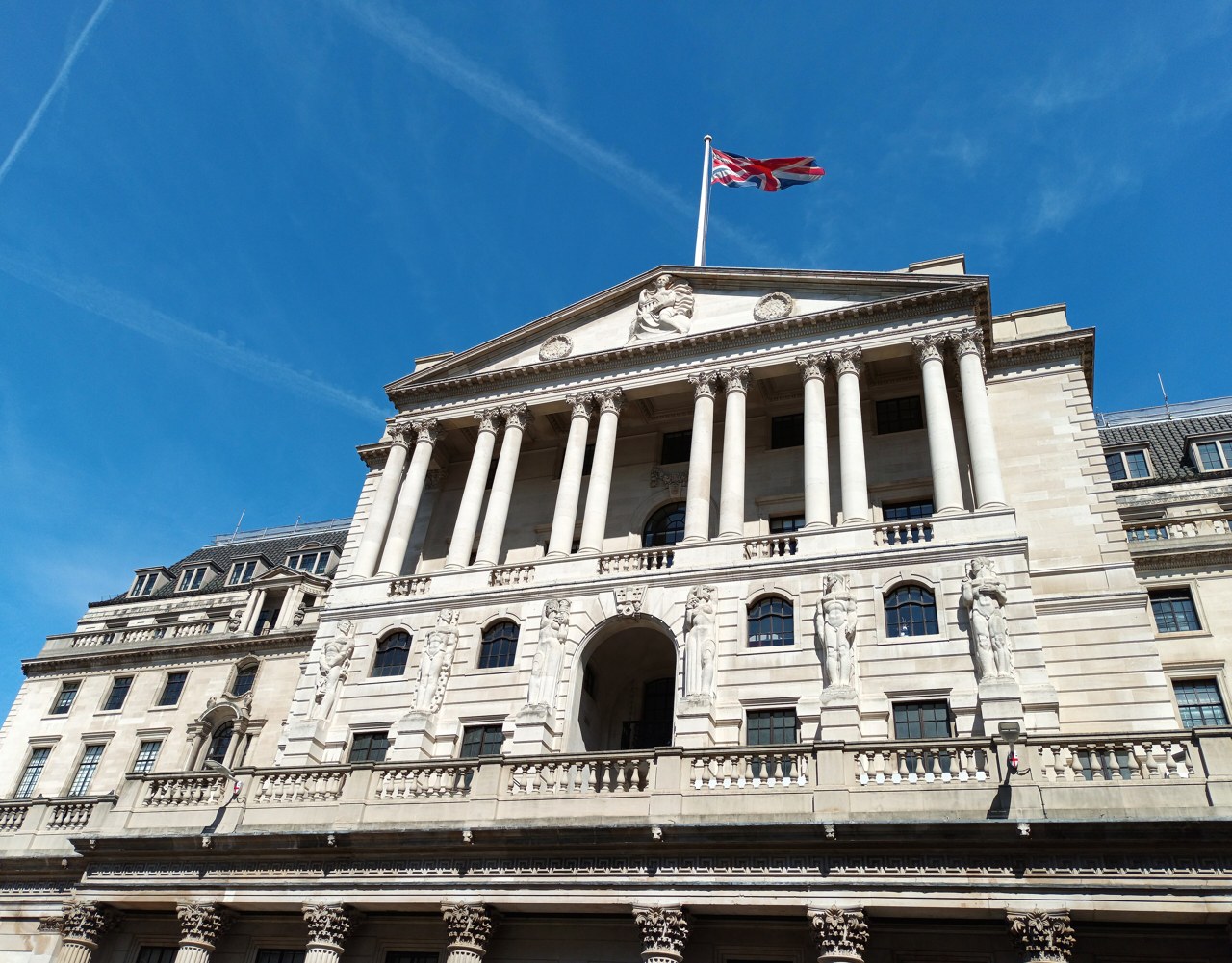
For the Bank of England, Wednesday’s figures land on a decision it has already taken. Earlier this month the Bank raised interest rates for the first time in three years, lifting them from 3.75 per cent to 4 per cent, in an effort to bring inflation back toward its 2 per cent target. Its policymakers believe inflation could peak at close to 5 per cent in the middle of next year, as the effects of the Iran war feed through the economy, and may not return to 2 per cent until 2028. That is the trap the figures describe: household energy costs are being driven by a war Britain is not fighting, the cure the Bank has available — dearer borrowing — lands on the same households through their mortgages, and the one number that would relieve both, a sustained fall in wholesale energy prices, depends on events in the Strait of Hormuz. Between now and January, the sequence is fixed: Ofgem’s cap announcement on November 25, a winter of bills at the current rate, and then, on the forecast published on Wednesday, the sharpest single rise in the cap since 2023.
Sources: The Office for National Statistics, consumer price inflation, October 2026, released November 18, 2026; BBC News, “Fuel costs lift UK inflation to 3.6% as energy bills loom larger,” November 18, 2026; Cornwall Insight price-cap forecast via the BBC and Sky News, November 18, 2026; Martin Lewis, statement reported by the Glasgow Times, November 18, 2026.

Comments