Britain and the European Union signed a package of agreements in Brussels on Friday to reset their relationship, a decade after Britain voted to leave the bloc and six years after the divorce became final. The deals scrap checks on the trade in plant and animal products, link the two sides’ emissions trading schemes and open a youth experience scheme for 100,000 young adults from each side. It was only the second EU-UK summit since Britain became the first country to leave the world’s biggest trading bloc.
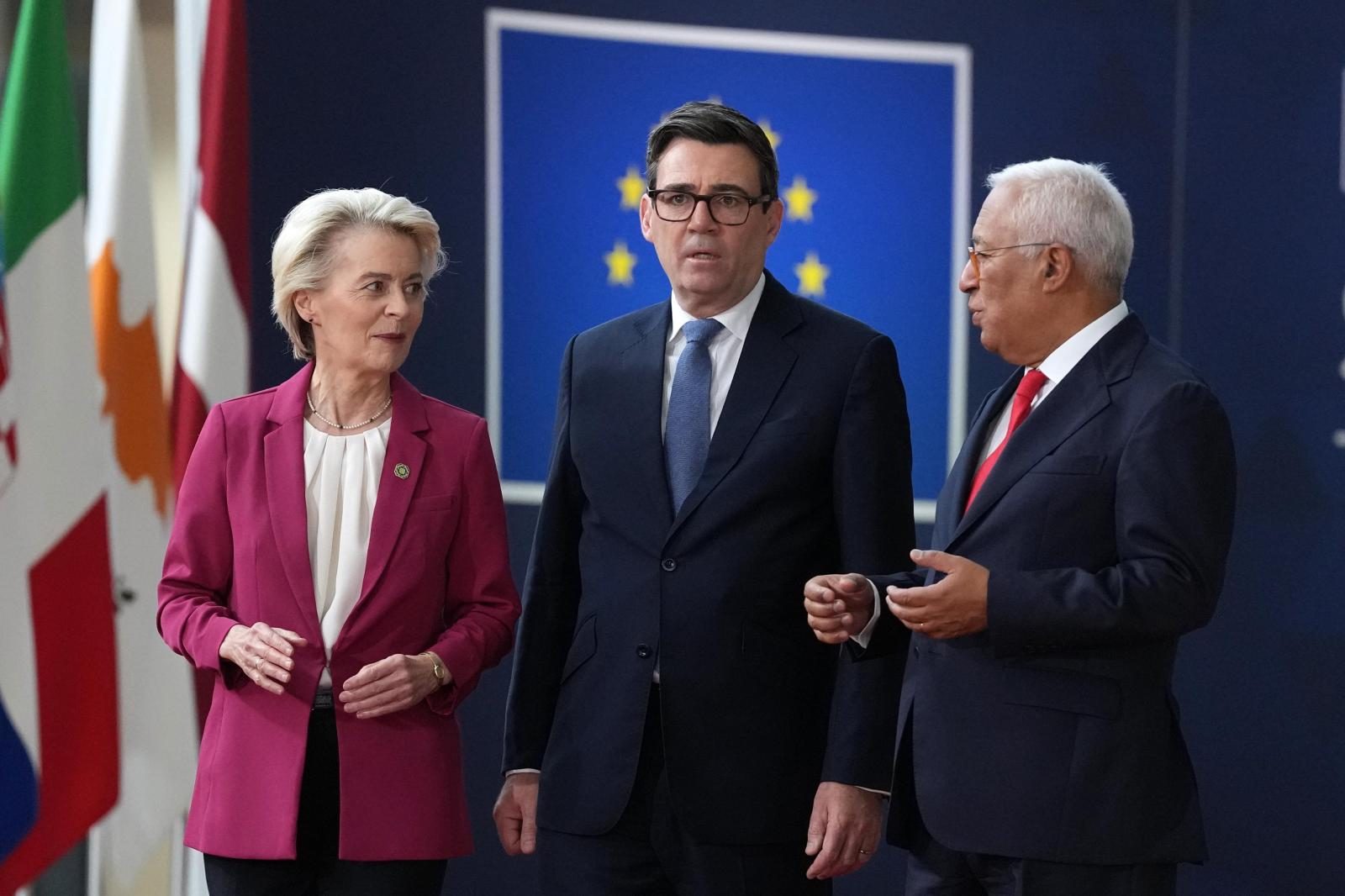
‘This is a good day for Britain and this is a good day for Europe,’ Prime Minister Andy Burnham said. He called the package a ‘historic moment’ and ‘a win-win’, and said it would ‘draw a line on a decade of drift and division by reconnecting with old friends’. The two sides, he said, are ‘rebuilding the bridges that were broken all of those years ago’ with ‘our nearest neighbors and our largest market’. European Commission President Ursula von der Leyen called the deal ‘a turning point’ in EU-UK relations and said the EU was ‘open for brainstorming’ about what comes next. European Council President António Costa said: ‘We remain open to have the closest possible relationship.’
The Food Deal: £5.1 Billion, From 2028
The centrepiece is a sanitary and phytosanitary (SPS) agreement under which Britain aligns with EU agrifood standards, so that animals, plants and products such as sausages and seeds can cross the border without the certificates and controls now required. The arrangement is estimated to deliver £5.1 billion in economic benefits to the UK, and British exports worth £6.5 billion — steel and aluminium among them — will be exempted from EU carbon border taxes under the linked emissions schemes. The deals are to apply from 2028. British retailers welcomed the food agreement: ‘Getting our spaghetti bolognese from Lincolnshire onto a shelf in Dublin takes hundreds of extra miles, mountains of paperwork, a vet’s signature and even the Latin name of a cow,’ said Alex Freudmann, managing director of food at Marks and Spencer. The National Farmers’ Union, which has long campaigned for the deal, noted that British agri-food exports to the EU have fallen by more than 30 per cent since Brexit.
100,000 Young People Each Way — And Erasmus Is Back
The youth experience scheme will let citizens aged 18 to 31 live and work in each other’s countries for up to three years, with 100,000 visas available each year in each direction. Britain had proposed a cap of 50,000; it agreed to 100,000, EU diplomats said. The first young people are expected to benefit by 2030. Alongside it, the summit confirmed that Britain will take part in the EU’s Erasmus+ student exchange programme again from next year — ‘from next year, the United Kingdom will once again take part in Erasmus+’, the European Commission said — restoring a scheme Britain left after Brexit. Under an agreement reached last December, Britain will pay £570 million to take part in the 2027/28 academic year, a 30 per cent discount on the standard contribution.
£17 Billion, Says The Treasury
Burnham said Treasury analysis suggested the package would add up to 0.5 per cent to Britain’s gross domestic product by 2040 — about £17 billion a year — by cutting costs for business and helping with ‘the cost of the weekly shop’. He pitched the deals as ‘cutting costs, keeping prices down in the supermarkets and creating opportunities for young people’. A bill putting the agreements into law will go before Parliament next week, he said. The summit had been postponed from July, after the resignation of his predecessor Keir Starmer, and the deal was, by the account of Starmer’s Europe minister Nick Thomas-Symonds, ‘90% there’ when Burnham’s team took over.
The negotiations went late into the night on Thursday; French attempts to limit Britain’s say over the new standards that will underpin the food deal were the final sticking point. Burnham had been greeted on arrival by a string quintet. Von der Leyen had set the terms in advance: she wanted, she said, ‘a summit of ambition and concrete results. More opportunities for young people. Easier agrifood trade. And a stronger cooperation on economic security.’ The two sides also launched a digital partnership and an economic security dialogue on emerging technologies and critical supply chains.
What Was Left For Another Day
The biggest questions were deferred. The two sides gave themselves six months to agree the level of university tuition fees: the EU wants its students charged the same as British students — a cut from fees of up to £38,000 a year to £9,970 — and Britain has resisted because of the cost to its universities. Rejoining the bloc, the customs union, the single market and free movement all remain behind the red lines Burnham inherited from Starmer’s manifesto. Burnham acknowledged Friday’s agreements are ‘probably the limit’ of what can be achieved before the next general election, promised a 10-year plan setting out the options in December, and proposed a year of ‘brainstorming’ with the EU before the next summit. Costa, for his part, said the EU remained committed to its own red lines, including the obligations of the single market and the rights of its citizens.
Critics of the deal moved quickly. ‘I’m afraid that the great Brexit debate has just started again,’ Reform UK leader Nigel Farage told the BBC. ‘It’s perfectly clear that this very, very soon becomes a debate about: do we rejoin or do we stay out?’ To get the deals, Britain has accepted some EU rules and standards it has no role in setting. The summit also produced pledges of stronger co-operation on security and defence and on restricting irregular migration. EU officials, weary from the shifting demands of seven British prime ministers in a decade, have been reluctant to encourage talk of rejoining; Burnham, for his part, has said all options should be on the table, including rejoining — but that reversing Brexit would need the backing of British voters and the unanimous support of the EU, and is far from imminent.
Sources: The Associated Press, November 20, 2026; Reuters, November 20, 2026; the Press Association, November 20, 2026; the European Commission, November 20, 2026.
Comments