
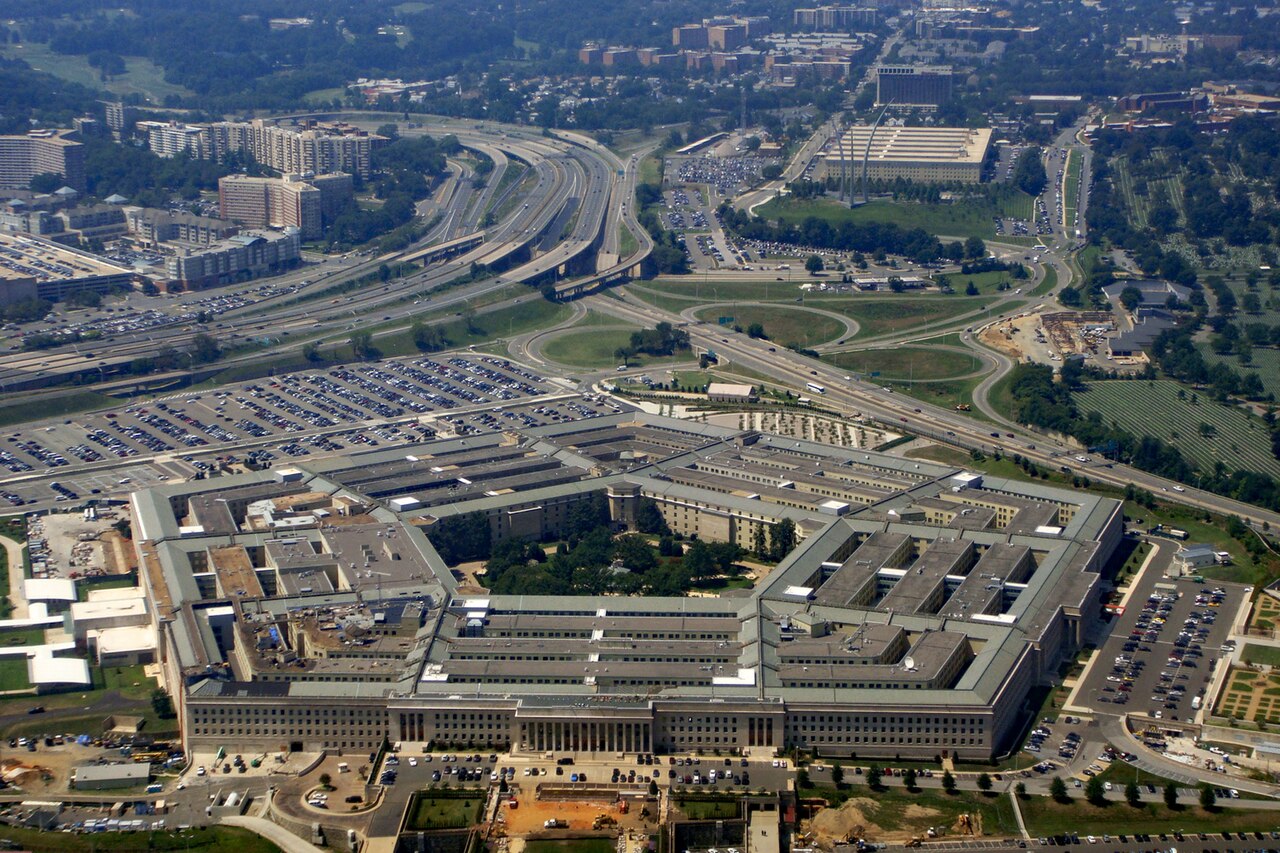
The Washington Post reports that the Pentagon is planning an expanded network of deep-cover operatives — “nonofficial cover officers,” or NOCs — who would pose as businesspeople or other private-sector personnel, with no overt affiliation to the U.S. government. The account rests on six people familiar with the initiative who spoke to the Post. It describes the program as a covert prong of the Pentagon’s broader economic warfare campaign against China and other U.S. competitors.
The program is in the planning stage and is not operational, the Post reports, and its organizational home is undecided: the options include a new stand-alone deep-cover unit or an expansion of existing military clandestine human-intelligence capabilities. Planning is overseen by Tom Rakusan, a 39-year CIA veteran who became the agency’s deputy director of operations in 2017, later led the CIA’s response to Russian interference in the 2016 election, retired in 2021, and worked at Cerberus Capital Management before becoming a senior adviser to Deputy Defense Secretary Steve Feinberg. Military service specialists, Pentagon intelligence officials and retired CIA officials have been brought into the planning, the Post reports. Congressional committees do not appear to have been briefed on the initiative.
Feinberg is the Pentagon’s No. 2 official — the 36th deputy secretary of defense, sworn in on March 17, 2025 — and the co-founder of Cerberus Capital Management, the private-equity firm where Rakusan also worked after retiring from the CIA in 2021, before following Feinberg to the Pentagon in 2025. Under Feinberg, the department has stood up an Economic Defense Unit, run since February by George Kollitides, another Cerberus alumnus, which has announced hundreds of millions of dollars in public investments — including $750 million of Pentagon funds to secure a Brazilian rare-earth minerals deposit, according to the Post’s reporting. The reported deep-cover network would be the covert side of that same economic-warfare effort.
READ NEXT: Stocks Fall Two Straight Days: Thursday’s A.I. Rout, Then An Oil Spike On Iran Fears
The Pentagon already runs a clandestine service of its own. The Defense Clandestine Service, created in 2012 inside the Defense Intelligence Agency, consolidated the military’s existing human-intelligence operations and fields about 500 clandestine operatives, working alongside the CIA’s Directorate of Operations. When the service was first built, lawmakers questioned whether the Pentagon was paying to duplicate the CIA’s work, and the initial growth plans were trimmed. The Post’s account describes the options for the new effort as either a stand-alone deep-cover unit or an expansion of the existing military clandestine capabilities — the same institutional question, reopened.
The legal ground is part of the story. The Pentagon would act under its Title 10 military authorities rather than the CIA’s Title 50; former officials told the Post the blend is jokingly called “Title 60.” Officers under nonofficial cover carry no diplomatic immunity if caught. A former senior CIA official told the Post: “Rakusan just wants to build his own CIA down in the Pentagon.” The CIA declined to comment to the Post, and Rakusan did not respond to its request for comment.
The Pentagon’s answer, given Thursday by deputy press secretary Jacob Bliss, is a denial: “This query appears to be built on information that is simply not true,” and, “Whoever is feeding you these claims are either badly misinformed or deliberately leading you astray to peddle their fantasies.” The Daily reports the Post’s account and the denial together; nothing in the Post’s reporting, and nothing in the denial, has been independently confirmed here.
The Facts
- The Post’s sources: six people familiar with the initiative.
- The plan: nonofficial-cover officers posing as businesspeople; a covert arm of economic warfare aimed at China and other competitors; planning stage, not operational; organizational home undecided.
- Oversight: Tom Rakusan, 39-year CIA veteran and former deputy director of operations, now senior adviser to Deputy Defense Secretary Steve Feinberg.
- Congressional committees do not appear to have been briefed (per the Post). CIA declined to comment; Rakusan did not respond.
- The existing service: the Pentagon’s Defense Clandestine Service, created in 2012 inside the Defense Intelligence Agency, fields about 500 clandestine operatives.
- The wider campaign: Feinberg’s Economic Defense Unit, run since February by Cerberus alumnus George Kollitides, has announced hundreds of millions in public investments, including $750 million of Pentagon funds toward a Brazilian rare-earth deposit (per the Post).
- Pentagon deputy press secretary Jacob Bliss, Thursday: the claims are “simply not true.”
Sources: The Washington Post; Pentagon statement; U.S. Department of Defense biographies.


Comments