
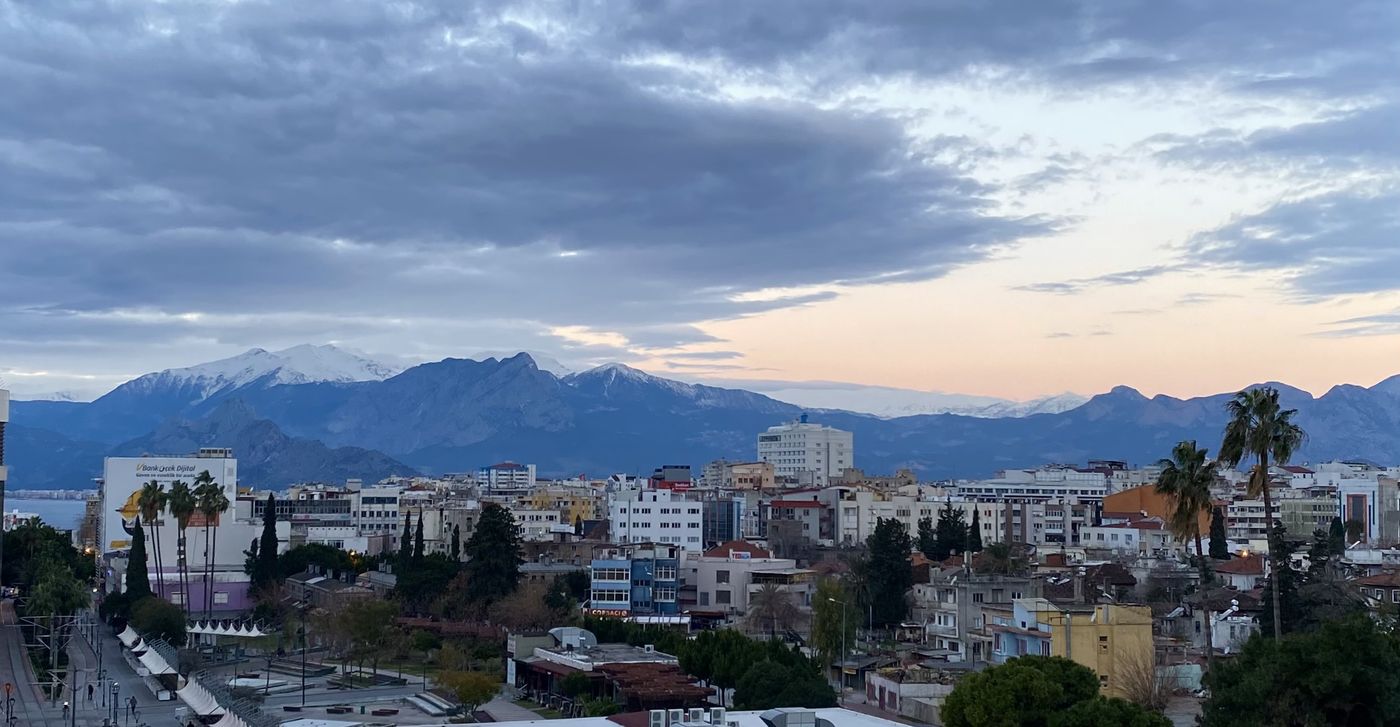
The COP31 climate conference in Antalya, Turkey, collapsed on Sunday as countries failed to agree to an overarching deal after more than two weeks of contentious negotiations. The breaking point, CNN reported, was the very cause of climate change itself: fossil fuels. The annual UN climate talks, which stretched deep into overtime over the weekend, hold the dubious honour of being the longest COP in history and the first major breakdown since COP15 in Copenhagen in 2009.
At the final meeting intended to approve the so-called Antalya Pact on Sunday, it became clear there would not be the necessary consensus among the more than 190 countries at the talks to adopt the deal. The European Union, Panama, the Marshall Islands and Norway were among those that rejected it; the United Kingdom also refused the text. Darragh O’Brien, Ireland’s climate minister, who helped lead negotiations for the EU, said the bloc would not endorse a deal ‘that does not even mention fossil fuels’. Summit president Murat Kurum acknowledged that support was not there to gavel the pact through, telling delegates, in Reuters’ reporting: ‘There will be no new text from now on. We will not be carrying out work on a new text in an environment where there is no consensus.’ The United States, under President Donald Trump, had pulled out of international climate action and took no part.
The Words That Disappeared
The first draft of the COP31 cover decision, published on Monday, called for ‘the immediate transition away from fossil fuels in energy systems’. Every subsequent draft stripped the words out, despite a push by more than 100 countries — by some counts more than 130 — to keep them in and to reaffirm the COP28 agreement to transition away from oil, gas and coal. Saudi Arabia and other oil-producing countries opposed stronger commitments. The final proposal made only an oblique reference to the 2023 Dubai outcome without naming fossil fuels at all, and proposed retaining a push to expand carbon capture, a technology championed by the fossil fuel industry and criticised by its opponents as costly and ineffective.
European negotiators said they could not sign it. The EU bloc walked out of the room in the final hours, the Associated Press reported, and European climate chief Wopke Hoekstra said that, with the world heading for an overshoot of 1.5 degrees, the EU could not tolerate an agreement that does not mention fossil fuels. Burning fossil fuels accounts for roughly 73 per cent of global emissions. This was also the first UN climate summit held with a scientific consensus that the world will surpass the 1.5-degree threshold; scientists say even a best case of 1.7 to 1.8 degrees would require cutting emissions by 45 per cent by 2035, which in turn would require dramatically cutting fossil fuel use.
Chaos In Overtime
The talks were supposed to end on Friday. Instead the main deal was rejected 44 hours after the summit’s official close, in what AFP called a chaotic finale, with co-hosts Australia and Turkey conducting emergency diplomacy to prevent exactly the collapse that followed. Activists had demonstrated on Friday holding signs reading ‘shame’. Beyond the fossil fuel fight, the drafts had cited developing nations’ climate finance needs at $5.1 trillion to $6.8 trillion through 2030 and called for at least tripling adaptation finance by 2035 — a target developing nations criticised for lacking a clear baseline. An earlier draft figure of $120 billion a year in adaptation finance was dropped. With the cover decision rejected, none of it was adopted.
Chris Bowen, the COP31 president of negotiations for co-host Australia, said the result was very disappointing but pointed to ‘a lot of good things’ to come out of the talks, including more than 90 countries signing a pledge to ramp up the electrification of their economies. Health and environment groups were blunter. Dr Jeni Miller, of the Global Climate and Health Alliance, said the process had ‘betrayed people’s health’ by failing to deliver a clear plan for transitioning away from fossil fuels or the finance countries need to prepare. The European Greens said negotiators had ‘failed in their responsibility to tackle the cause of climate change’, while arguing that leaving Antalya without a deal did not end global climate action.
What A Collapse Leaves Behind
A failed COP does not stop the machinery entirely — national pledges, the Paris framework and side agreements like the electrification pledge survive it — but it removes the one moment each year when nearly 200 countries must agree a common direction, and it does so at the first summit where the science says the 1.5-degree line will be crossed. The Daily reported COP31’s opening in Antalya earlier this month; it closes as the longest summit the process has ever held and the first since Copenhagen, 17 years ago, to end with nothing adopted at all. The argument that killed it fits in two words, and they were the two words the final text would not print: fossil fuels.
Sources: CNN, November 22, 2026; Reuters, November 22, 2026; Associated Press via NPR and Phys.org (AFP), November 22, 2026; Fox Business; Inter Press Service via Global Issues; BBC News headlines.

Comments