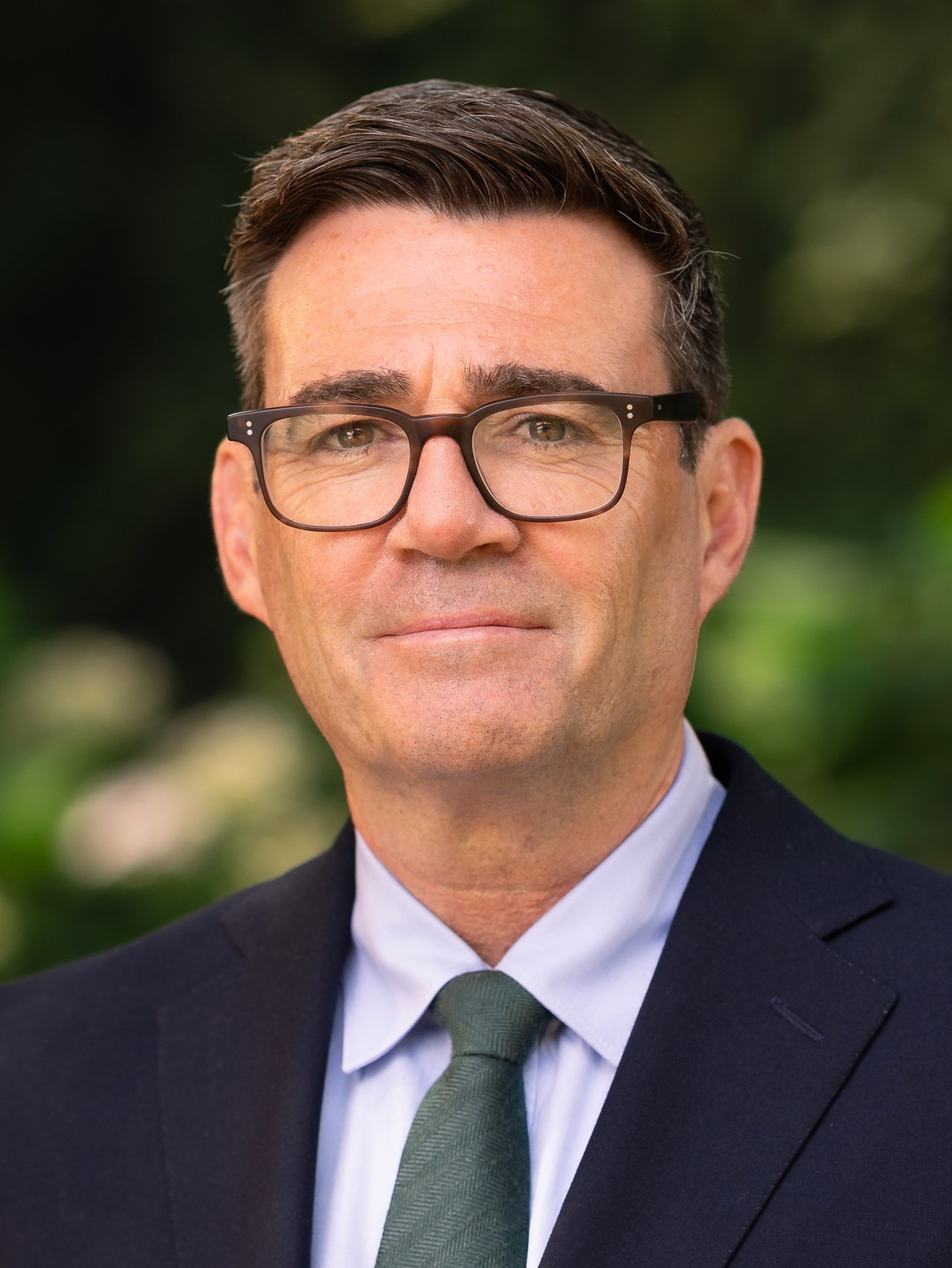
Theresa May has urged Andy Burnham to ‘accept Brexit and move on’ and ‘stop fighting the arguments of the past’. The Conservative former prime minister said she was ‘aghast’ at his push to reopen the debate on Britain’s relationship with the European Union, in an interview with the BBC’s Sunday with Laura Kuenssberg programme that led the Sunday political shows. Baroness May, whose own premiership between 2016 and 2019 was consumed by her unsuccessful attempt to deliver a Brexit deal, is the latest former leader to warn against reigniting the argument.
Her case was drawn from experience. Negotiations with the EU, she said, consume vast amounts of government time and resources: ‘What I saw was that the extent of those negotiations, the hours that have to be put in, it’s across the whole of government, it’s not just prime ministerial time, cabinet ministers’ time, officials’ time, to-ing and fro-ing on those negotiations, because you have to negotiate hard in order to make sure that you’re getting out what you want. That’s one of the reasons why I look slightly aghast at what Andy Burnham is talking about, further negotiations of going into the EU. Also we, as a country, we voted for Brexit. When I was prime minister I was very clear, we should deliver on that vote. So I’m afraid my message to him really is … people voted for Brexit. Brexit is done. Just accept Brexit and move on.’
Three Deals, One Old Argument
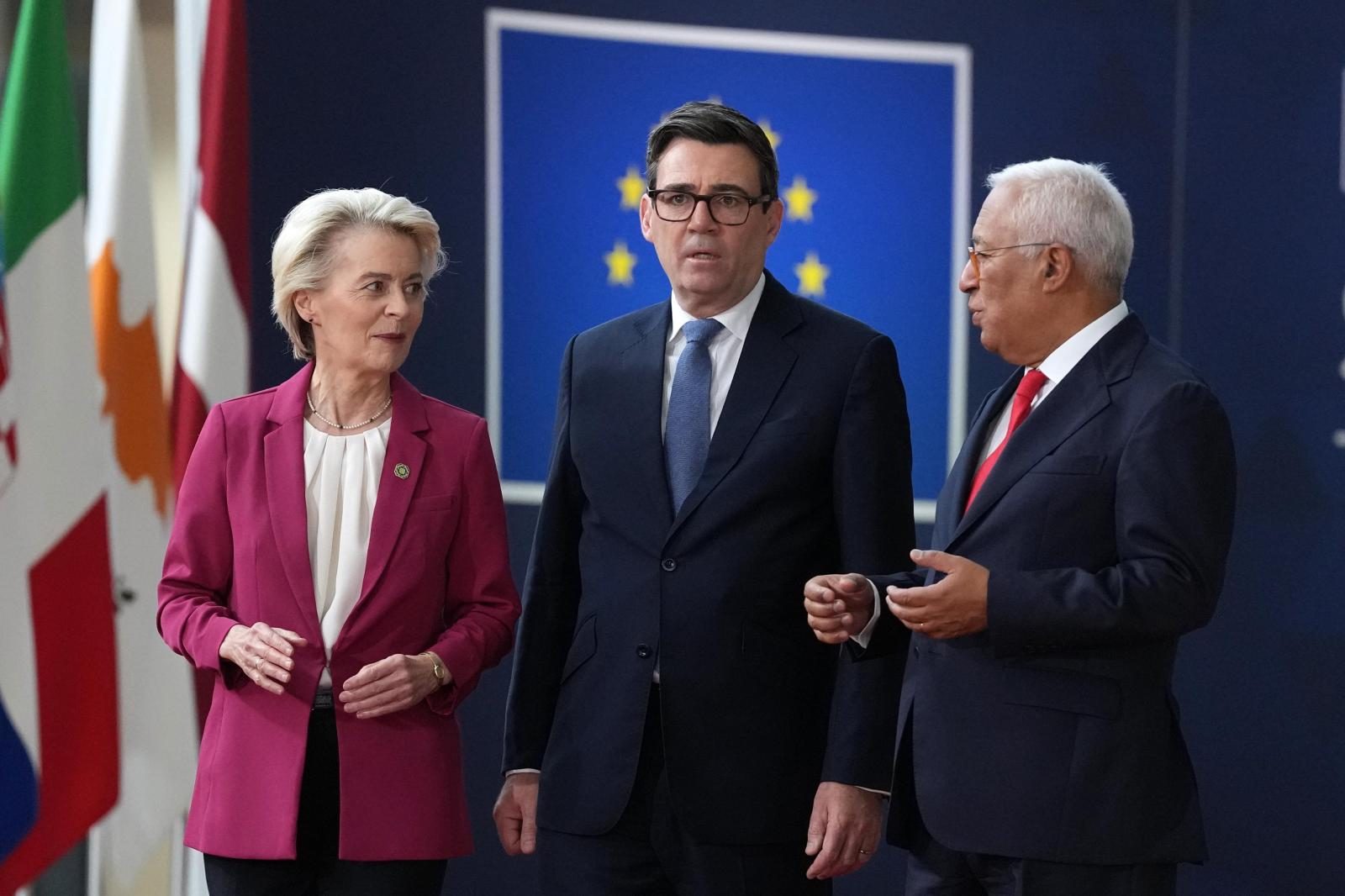
The row is over what Burnham actually signed. At Friday’s Brussels summit, covered by the Daily on Saturday, Britain and the EU agreed a reset package a decade after the referendum: most post-Brexit checks and restrictions on food and agricultural products will end — one of the deals takes effect on March 1, 2028 — the two sides will link their emissions trading schemes, and a youth experience scheme will offer 100,000 places each way. Burnham has insisted the deal will benefit ‘ordinary people’ and describes it as the first steps towards rebuilding ‘the bridges broken all of those years ago’ with ‘our nearest neighbours and our largest market’. Downing Street has also said Britain will explore even closer ties with the EU in the months ahead — the line that drew May, and others, into the open.
She was not alone. The BBC reported that David Cameron and Tony Blair have also weighed in with advice for Burnham, in a weekend of former prime ministers piling in; Blair warned that the UK should only rejoin the EU if it innovates on technology. May, who campaigned to remain in 2016 but built her premiership on delivering the vote, argued that reopening the question treats Leave voters as though they had simply got it wrong the first time.
‘Certainly Repeal’
The official opposition went further than advice. Conservative deputy leader Alex Burghart told Sky News his party would ‘certainly repeal’ the deal if it wins the next general election. He said the agreement would impose costly EU regulations on British farmers and businesses without giving the UK a say over them, called it ‘a really bad business’, and told the BBC the agreement will not lead to lower prices in the shops. University bosses have separately warned they could face a financial black hole from the youth scheme’s terms, and critics have asked why young Europeans should be offered places while one million Britons aged 16 to 24 are not in work or education.
Conservative leader Kemi Badenoch attacked from a different angle: process. Writing on X on Sunday, she noted that the summit is over but no treaty text has been published: a political statement is not a legally binding agreement, she said, and the government is behaving as though the deal is done while keeping Parliament and the public in the dark.
The Government’s Answer
Ministers are not retreating. Ed Miliband made the government’s case in plain terms: ‘If people think the status quo is really good on Brexit and that it’s been great for Britain, well, they won’t like this deal. I think most people think the status quo has been actually pretty rubbish. And we need to make it better, and that’s what this deal does.’ He described the current red tape on food exports as the worst of both worlds. Burnham himself has said Britain should not simply put up with the Brexit deal it was left with, which his government says left the country poorer and more isolated.
What happens next will be fought on two tracks. In Brussels, the question is how far ‘exploring closer ties’ actually goes over the next 12 months, and whether the unpublished treaty text matches the summit language when it appears. At Westminster, the Conservatives have now put a repeal pledge on the record, which makes Europe a live dividing line at the next election for the first time in years. Ten years after the referendum, that may be the most significant thing about Burnham’s deal: not what it changes at the border, but the argument it has restarted at home.
Sources: BBC Sunday with Laura Kuenssberg interview and BBC News reporting, November 22, 2026; Sky News interview with Alex Burghart; Glasgow Times (PA) report; Kemi Badenoch statement on X, November 22, 2026; BBC InDepth.
Comments