
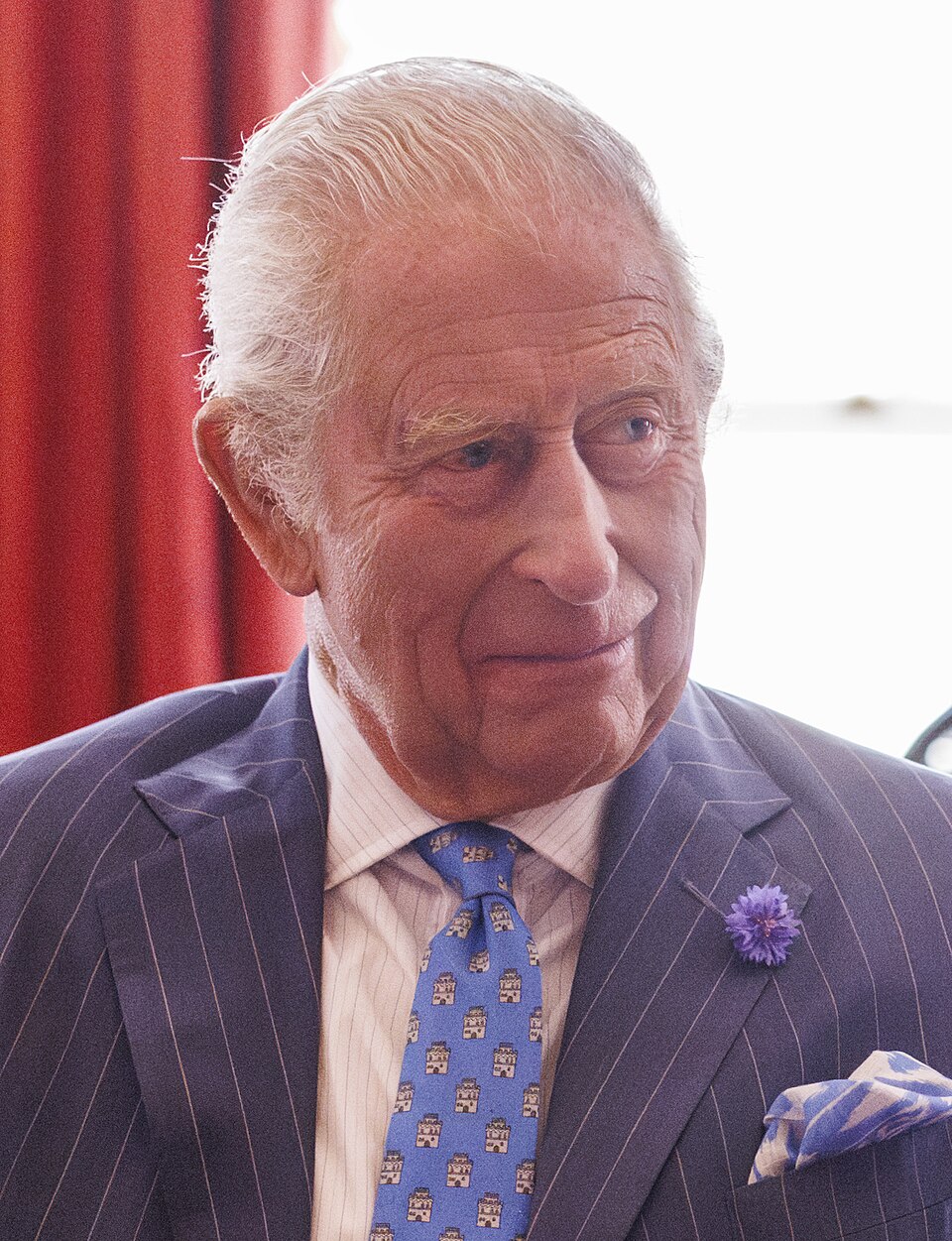
King Charles III and Queen Camilla officially opened the seventh term of the Senedd in Cardiff Bay on Monday, in a ceremony of firsts. It was the first Senedd opening for Charles as head of state, and the first held with a Plaid Cymru first minister and government leading Wales. The BBC’s live coverage followed the King into the Siambr, the Senedd’s debating chamber, where he addressed members in a speech delivered partly in Welsh.
In that speech the King quoted the Welsh poet John Ceiriog Hughes, and spoke directly about his own relationship with the country he served for decades as Prince of Wales. He said he felt ‘immensely privileged and proud to have had such a special connection with Wales — with its language, its culture and its landscape’. The theme of the address was endurance: the endurance of the Welsh language and culture, and the endurance of the land itself.
Heatwaves And A Changing Planet
The King referred to the summer heatwaves Wales has endured, and spoke of his ‘deep concern’ for a ‘rapidly changing planet’. The environmental passage sat inside the wider theme of endurance — of a land, as well as a language, that has lasted and must go on lasting. It was the note in the speech most in keeping with the causes Charles has made his own across his public life, carried this time into the chamber of a parliament meeting in expanded form.
The Senedd the King opened is bigger than any before it: the chamber has been expanded to 96 members ahead of this year’s elections. First Minister Rhun ap Iorwerth, meeting the King for the first time since Plaid Cymru took hold of the Welsh government, described the opening as ‘unlike any that has gone before it’ and ‘a new chapter in the story of Wales and its parliament’. The presiding officer, the Llywydd Huw Irranca-Davies, called for common ground and respect after a more fractious few months in Welsh politics.
A Poem That Was Not Heard
One part of the planned ceremony did not happen. A scheduled poem by the National Poet of Wales, Hanan Issa, was rejected and scrapped because the ceremony was deemed apolitical. Her poem, To Grow, references Gaza and trans healthcare. In its place, O Gymru was performed by the Merched Plastaf choir. The decision meant the ceremony kept to its official, non-political shape — while the absence of the national poet’s commissioned words became one of the day’s talking points in its own right.
Outside the Senedd, crowds gathered with Welsh flags to watch the royal party arrive and leave. About 30 anti-monarchy protesters chanted ‘not my King’ and sang Yma o Hyd. One protester was detained under Section 14 of the public order legislation after refusing a dispersal order. Queen Camilla wore a red wool crepe Fiona Clare coat, a Philip Treacy red felt beret, and a leek brooch — the leek being a national symbol of Wales. As the King and Queen departed, two anthems were played: God Save the King, then Hen Wlad fy Nhadau, the Welsh national anthem.
Aberfan, Sixty Years On
The visit also carried a quieter engagement. The King met relatives and survivors of the Aberfan disaster. Gareth Jones, who survived aged six in 1966, showed the King a photograph of his father meeting Charles the day after the disaster. Flowers were presented by Noah Jones, whose great-grandfather Stephen Andrew, the school caretaker, saved Gareth Jones’s life. The King, the Queen and the Prince of Wales return to south Wales next week for the Aberfan memorial garden, at exactly 60 years since the disaster.
Taken together, the day joined the two halves of the monarchy’s Welsh story: the constitutional present, in a 96-member Senedd under its first Plaid government, and the shared past, in a community still marking 60 years since Aberfan. A new chapter in the story of Wales and its parliament, in the First Minister’s words — opened, partly in Welsh, by a king who told its members his connection with their country had been the privilege of his life in public service.
Sources: BBC Wales live coverage, November 23, 2026.
Comments